Showing posts with label taxi driver. Show all posts
Showing posts with label taxi driver. Show all posts
Saturday, 30 September 2017


Sunday, 1 January 2017

Tuesday, 4 February 2014

Wednesday, 15 August 2012
വിളിപ്പാടകലെ ജീവന്റെ മാലാഖമാര്
എവിടെയെങ്കിലും അപകടം നടന്നാല് 102 എന്ന മൂന്നക്കനമ്പറില് അമര്ത്തൂ... 'ഏഞ്ചല്' നിങ്ങളുടെ സഹായത്തിനെത്തും.
വഴിയിലൊരു അപകടം. ചോരയില്ക്കുളിച്ചു കിടക്കുന്നവരുടെ നിലവിളികള്
കാതുകളില് വന്നലയ്ക്കുന്നു. അവരെ എങ്ങനെയും രക്ഷപ്പെടുത്തണമെന്നുണ്ട്
നിങ്ങള്ക്ക്. എന്നാല് തലങ്ങും വിലങ്ങും ചീറിപ്പായുന്ന വാഹനങ്ങളൊന്നും
നിര്ത്തുന്നതേയില്ലെങ്കിലോ? വിഷമിക്കേണ്ട. ഇതാ, ഒരു വിളിപ്പാടകലെ
വാഹനങ്ങളുണ്ട്. കൊച്ചുവാഹനമൊന്നുമല്ല, ആബുലന്സ് തന്നെ. 102 എന്ന മൂന്നക്ക
നമ്പറിലേക്ക് വിരലമര്ത്തൂ. അപകടം നടന്ന സ്ഥലത്തിനടുത്ത് എവിടെയെങ്കിലും
ആംബുലന്സ് ഉണ്ടെങ്കില് നിമിഷങ്ങള്ക്കുള്ളില് നിങ്ങളുടെ മുന്നിലേക്കു
പാഞ്ഞെത്തിയിരിക്കും. ഇത് മായവും മന്ത്രവുമൊന്നുമല്ല. ഏഞ്ചല് എന്ന ടെക്നോ ചാരിറ്റി പദ്ധതിയാണ് രക്ഷയ്ക്കെത്തുന്നത്. ഏഞ്ചല് എന്നാല് ആക്ടീവ് നെറ്റ്വര്ക് ഗ്രൂപ്പ് ഓഫ് എമര്ജന്സി ലൈഫ് സേവേഴ്സ്. 102 എന്ന സൗജന്യ നമ്പറിലേക്ക് അപകടം നടന്ന സ്ഥലം ഏതാണെന്ന് വിളിച്ചറിയിച്ചാല് മതി. ഓട്ടോമാറ്റിക്കായി അതിനടുത്തുള്ള ആംബുലന്സിന് വിവരമെത്തും. അങ്ങനെയാണ് ആംബുലന്സ് അപകടസ്ഥലത്ത് കുതിച്ചെത്തുന്നത്.
കണ്ണൂര്, കോഴിക്കോട്, മലപ്പുറം, പാലക്കാട്, വയനാട് എന്നീ അഞ്ച് ജില്ലകളിലാണ് ഏഞ്ചല് ഇപ്പോള് ഉള്ളത്. കണ്ണൂരില് 30 വാഹനങ്ങള് ഇതിന്റെ സേവനത്തിലുണ്ട്. ഇത് ഈ വര്ഷം 100 ആക്കും. കോഴിക്കോട് ജില്ലയില് 110 വാഹനങ്ങളില് ഈ സംവിധാനം ഉണ്ട്. ഇനി അപകടത്തില്പ്പെട്ടവരെ കൃത്യസമയത്ത് ആസ്പത്രിയിലെത്തിക്കാന് വാഹനം കിട്ടാതെ ആരുടെയെങ്കിലും ജീവന് അപകടത്തിലാകുമെന്ന പേടി വേണ്ട. ഒരു വിളിപ്പാടകലെ ഏഞ്ചലുണ്ട്. വഴിയിലൊരു അപകടം. ചോരയില്ക്കുളിച്ചു കിടക്കുന്നവരുടെ നിലവിളികള് കാതുകളില് വന്നലയ്ക്കുന്നു. അവരെ എങ്ങനെയും രക്ഷപ്പെടുത്തണമെന്നുണ്ട് നിങ്ങള്ക്ക്. എന്നാല് തലങ്ങും വിലങ്ങും ചീറിപ്പായുന്ന വാഹനങ്ങളൊന്നും നിര്ത്തുന്നതേയില്ലെങ്കിലോ? വിഷമിക്കേണ്ട. ഇതാ, ഒരു വിളിപ്പാടകലെ വാഹനങ്ങളുണ്ട്. കൊച്ചുവാഹനമൊന്നുമല്ല, ആബുലന്സ് തന്നെ. 102 എന്ന മൂന്നക്ക നമ്പറിലേക്ക് വിരലമര്ത്തൂ. അപകടം നടന്ന സ്ഥലത്തിനടുത്ത് എവിടെയെങ്കിലും ആംബുലന്സ് ഉണ്ടെങ്കില് നിമിഷങ്ങള്ക്കുള്ളില് നിങ്ങളുടെ മുന്നിലേക്കു പാഞ്ഞെത്തിയിരിക്കും.
ഇത് മായവും മന്ത്രവുമൊന്നുമല്ല. ഏഞ്ചല് എന്ന ടെക്നോ ചാരിറ്റി പദ്ധതിയാണ് രക്ഷയ്ക്കെത്തുന്നത്. ഏഞ്ചല് എന്നാല് ആക്ടീവ് നെറ്റ്വര്ക് ഗ്രൂപ്പ് ഓഫ് എമര്ജന്സി ലൈഫ് സേവേഴ്സ്. 102 എന്ന സൗജന്യ നമ്പറിലേക്ക് അപകടം നടന്ന സ്ഥലം ഏതാണെന്ന് വിളിച്ചറിയിച്ചാല് മതി. ഓട്ടോമാറ്റിക്കായി അതിനടുത്തുള്ള ആംബുലന്സിന് വിവരമെത്തും. അങ്ങനെയാണ് ആംബുലന്സ് അപകടസ്ഥലത്ത് കുതിച്ചെത്തുന്നത്.
കണ്ണൂര്, കോഴിക്കോട്, മലപ്പുറം, പാലക്കാട്, വയനാട് എന്നീ അഞ്ച് ജില്ലകളിലാണ് ഏഞ്ചല് ഇപ്പോള് ഉള്ളത്. കണ്ണൂരില് 30 വാഹനങ്ങള് ഇതിന്റെ സേവനത്തിലുണ്ട്. ഇത് ഈ വര്ഷം 100 ആക്കും. കോഴിക്കോട് ജില്ലയില് 110 വാഹനങ്ങളില് ഈ സംവിധാനം ഉണ്ട്. ഇനി അപകടത്തില്പ്പെട്ടവരെ കൃത്യസമയത്ത് ആസ്പത്രിയിലെത്തിക്കാന് വാഹനം കിട്ടാതെ ആരുടെയെങ്കിലും ജീവന് അപകടത്തിലാകുമെന്ന പേടി വേണ്ട. ഒരു വിളിപ്പാടകലെ ഏഞ്ചലുണ്ട്.
Ref: http://www.mathrubhumi.com/
Saturday, 7 July 2012
Reducing Road Crashes
Road traffic crashes are predictable and can be prevented. Many
countries have shown sharp reductions in the number of crashes and
casualties by taking actions including:
• Raising awareness of, legislating and enforcing laws governing speed
limits, alcohol impairment, seat-belt use, child restraints and safety
helmets.
• Formulating and implementing transport and land-use policies that
promote safer and more efficient trips; encouraging the use of safer
modes of travel, such as public transport; and incorporating injury
prevention measures into traffic management and road design.
• Making vehicles more protective and visible for occupants, pedestrians
and cyclists; using daytime running lights, high-mounted brake lights
and reflective materials on cycles, carts, rickshaws and other
non-motorized forms of transport.

Saturday, 9 June 2012

Monday, 4 June 2012
രക്തദാനം ജീവിതവ്രതമാക്കി ഷാജി
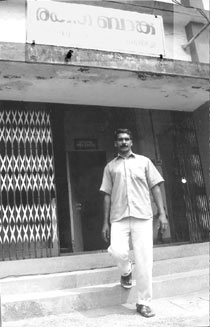 മാനന്തവാടി:
രക്തംതേടി രക്തബാങ്കിനു മുന്നില് വേവലാതിപ്പെടുന്നവര്ക്ക് ആരെങ്കിലും
കുറിച്ചുകൊടുക്കുന്ന ഒരു മൊബൈല് നമ്പറുണ്ട്. മാനന്തവാടിയിലെ ഓട്ടോ
ഡ്രൈവറായ ഷാജി കമാലിയയുടെ 9847287188 എന്ന നമ്പര്.
''എട്ട് മണിക്ക്, രാവിലെ ആറുമണിക്ക് ബി നെഗറ്റീവ് മൂന്നു കുപ്പി, പതിന്നാലിന് ഉച്ചയ്ക്ക് ഒ പോസിറ്റീവ് നാലു കുപ്പി, അഞ്ച് മിനിറ്റുകൊണ്ട് എ നെഗറ്റീവ് മൂന്നു കുപ്പി-ഈ മൊബൈലിലേക്ക് വന്നുകൊണ്ടിരിക്കുന്ന വിളികള് ഇങ്ങനെയാണ്. ഓരോ വിളി വരുമ്പോഴും ഷാജി പരതുന്നത് തന്റെ മനസ്സില് ഫീഡ്ചെയ്തുവെച്ച ബ്ലഡ് ഡയരക്ടറിയിലാണ്. അതില്നിന്നു തെളിയുന്ന മുഖങ്ങള് നിര്ദേശിക്കും. അല്ലെങ്കില് വിളിച്ചുകൊടുക്കും. ചിലപ്പോള് നേരിട്ടുതന്നെ രക്തബാങ്കില് ഹാജരാക്കും. ഓട്ടോ ഡ്രൈവിങ് മാത്രം ജീവിതവരുമാന മാര്ഗമായിട്ടുള്ള ഷാജിയുടെ ദിവസങ്ങള് പലപ്പോഴും രക്തത്തിന് ഓടിത്തീരുന്നതും സാധാരണം.
പത്തു വര്ഷത്തിലധികമായി രക്തദാനം ജീവിതവ്രതമാണ് ഷാജി കമാലിയയ്ക്ക്. പതിനായിരത്തിലധികം പേര്ക്കെങ്കിലും രക്തം എത്തിച്ചുകൊടുത്തിട്ടുള്ള ഷാജി കണക്കുകളൊന്നും സൂക്ഷിച്ചിട്ടില്ല. സൂക്ഷിക്കാന് ഷാജിക്കു സമയവുമില്ല. 44 തവണ ഇതിനകം ഷാജി രക്തം ദാനംചെയ്തിട്ടുണ്ട്. കഴിഞ്ഞവര്ഷം മാത്രം ആയിരത്തില് അധികം പേര്ക്ക് രക്തം എത്തിച്ചുകൊടുത്തു. ഓരോ മൂന്നുമാസം കൂടുമ്പോഴും സ്വന്തം രക്തം ദാനംചെയ്ത് മറ്റുള്ളവര്ക്ക് മാതൃകകൂടിയാകുന്നുണ്ട് ഷാജി.
രക്തം എത്തിച്ചുകൊടുക്കുന്നത് ചിലപ്പോള് ഒരു ഫോണ്വിളികൊണ്ടുതന്നെ കഴിയും. കുന്നും മലയും കയറി ഇറങ്ങി പോകേണ്ട സ്ഥിതിയും വന്നുചേരാറുണ്ട്. ഒരുവിധം ആളെയും സംഘടിപ്പിച്ച് ആസ്പത്രിയില് എത്തിച്ചാല് ചിലപ്പോള് വെറും വാക്കില് ഒരു 'താങ്ക്സ്' കിട്ടും. മറ്റുചിലപ്പോള് വൈകിപ്പോയതിലെ പരിഭവങ്ങള്. ഓട്ടോ കാശ് എത്രയെന്നു പോലും അന്വേഷിക്കാതെ 'ഐ.സി.യു.' വാര്ഡിലേക്ക് ഓടിക്കയറുമ്പോള് സ്നേഹപ്രകടനത്തിനായി രക്തത്തിനു വിലപറയുന്നവര്... രക്തബാങ്കിനു മുമ്പില് നാനാവിധത്തിലുള്ള പെരുമാറ്റങ്ങള് കാണുന്ന ഷാജിയെ ഇതൊന്നും തളര്ത്താറില്ല.
ഓട്ടോക്കൂലി മാത്രം ചോദിച്ചുവാങ്ങുന്ന ഷാജി നിര്ധന രോഗികള്ക്ക് ചിലപ്പോള് സൗജന്യമായി മരുന്നുവാങ്ങി നല്കുകയും ചെയ്യും. മാനന്തവാടി പഴശ്ശി ഗ്രന്ഥാലയത്തിന്റെ സജീവ പ്രവര്ത്തകനായ ഷാജി ബ്ലഡ് ഡൊണേഷന് ഫോറത്തിന്റെ കണ്വീനറുമായിരുന്നു. ബ്ലഡ് ഡൊണേഷന് ഫോറത്തിന്റെ ജോ. കണ്വീനറായിരുന്ന ഒ പോസിറ്റീവുകാരി മുംതാംസിനെയാണ് ഷാജി ജീവിതസഖിയാക്കിയത്. ഡി.എം.ഒ. ഡോ. നീതാ സുകുമാരന്റെ പ്രോത്സാഹനവും സുഹൃത്തുക്കളുടെ സഹായസഹകരണവുമാണ് ഷാജിയെ രക്തദാനരംഗത്ത് സജീവമാക്കിയത്.
Friday, 1 June 2012
Let's Hail a Rickshaw.
 DILIP SINGH looks important. A rickshaw puller by
profession, he is also the president of the south zone Ecocab’s
Dial-a-rickshaw service in Fazilka, a town in Punjab. Wearing a crisp
shirt and smart shoes, he flashes his android cellphone and says, “Gone
are the days when rickshaw pullers were known for dirty, unkempt looks.”
Just like taxis in other cities, rickshaws in Fazilka arrive at the
doorstep when called on their service number.
One can locate the nearest Ecocab call centre by using Google Maps or GPS. Ecocab also has a website where one can check details of the registered rickshaw pullers.
Every day about 500 rickshaw pullers ferry 10,000 passengers. Each zone in the town has a dedicated phone number and at least 30 rickshaw pullers are available round-the-clock. Every puller owns a cellphone. Around 65 per cent of the pullers own their rickshaws. Ecocab provides each puller an insurance policy worth Rs 50,000. A set of woollens every winter and medical checkup and medicines are also offered at discounted prices. They also get legal aid and support for children’s schooling.
|
|||||||
The service has helped the prime business area of Ghanta Ghar become a car-free zone. Following the services’ success, the Punjab and Haryana High Court has issued suo moto direction to both Punjab and Haryana to find ways to replicate Ecocab service in the rest of the state.
Thursday, 24 May 2012
Rickshaw services to go hi-tech
The scheme aims at providing a safer and efficient last mile
connectivity to passengers. Moreover, it also benefits the auto drivers
with provision of facilities like uniform, insurance and accident
policies, all free of cost.
It may be noted that though the registration process may have begun for the auto drivers, the service would be opened to the public over the next month.
So, consider this. Once the plan rolls out, an auto rickshaw arriving at your doorstep would just be a phone call or an SMS away. The journey would be made more comfortable with facilities like newspapers and water bottles on the way. What's more, one would pay just by the meter and avoid all chances of over-charging.
 Under this scientific management of auto
rickshaws', the movement of each auto will be monitored by a control
room and there will be very little scope of overcharging by drivers. The
driver will also be given a cell phone. A passenger's call to the
control room, will be directed to the auto closest to that address. This
practice will reduce unnecessary plying of autos on roads, thus saving
fuel and reducing traffic congestion.
"Effective implementation of this scheme will bring down the pressure on private transport in the city and make available efficient para-transit public transport," said Ramchandran.
Niteen Kareer, divisional commissioner and president of RTA, said, "The scheme is being implemented in association with Delhi-based private firm Indevelop. Pune is the first city where it will be implemented. In the process, all illegal permits and flaws will be removed, as every auto will have separate a registration under the GPS and GIS systems."
"All auto drivers enrolling for the scheme will get a uniform, insurance policy for the entire family and also an accident policy. There will also be regular health check-ups for the drivers. However, the scheme is being run on a voluntary basis," he said.
"Over 2,000 auto drivers have already registered for the scheme, in the initial stage. A dedicated control room for the process will be opened soon," said member RTA Baba Shinde.
Commissioner of police Satyapal Singh said that more than 30 per cent of the auto rickshaws in the city are illegal. Moreover, only 30 per cent of the drivers charge fares according to the metre. This scheme will help bring down such malpractices, as well as related criminal activities.
Hi-tech plan: biometric IDs for rickshaws
The friendly neighbourhood green transport on three wheels is set to
get a boost, if the Delhi government’s plans are implemented.
 In a reprieve of sorts for rickshawpullers, who face restriction
of movement in various localities of the city, the government is
thinking of regularising them by issuing biometric badges after training
them in traffic rules. Meera Bhatia, standing counsel for the
government, put the proposal containing minutes of a meeting between the
Lieutenant-Governor and the Commissioners of Delhi Police and the MCD
before the High Court recently.
“Every rickshawpuller is to be issued a biometric badge. The traffic police will be provided with hand-held biometric badge readers to check the authenticity of the rickshaw puller,” said the proposal, placed before a Special Bench comprising Chief Justice Ajit Prakash Shah and Justices S Muralidhar and Ravinder Bhatt.
The traffic police can regularly check the number and authorisation of rickshawpullers if the biometric badges are introduced.
Monday, 7 May 2012
Decade of Action for Road Safety by WHO (3)

Friday, 27 April 2012
Decade of Action for Road Safety by WHO (2)
Launch of the Decade of Action for Road Safety

The Decade is a historic opportunity to offer Member States and their partners a framework for action which could ultimately save millions of lives. The vision is a world in which mobility is safe for all those who use the world’s roads. The alternative is grim: if no action is taken to address the current crisis, road traffic fatalities are forecast to rise from the current level of nearly 1.3 million deaths annually to more than 1.9 million by 2020. The goal of the Decade is to stabilize and then reduce the predicted number of lives that could be lost. WHO and the United Nations regional commissions, in cooperation with other partners in the United Nations Road Safety Collaboration and other stakeholders have developed a Global Plan for the Decade of Action for Road Safety 2011-2020 through an extensive consultation process including
face-to-face discussions with the major stakeholders and public comment through the Internet.
Five major categories or “pillars” of activities are proposed:
- road safety management;
- safer roads and mobility;
- safer vehicles;
- safer road users; and
- postcrash response.
The Plan also proposes indicators to measure progress in each of
these areas. Governments, international agencies, civil society organizations, the private sector and other stakeholders are invited to use the Plan as a guiding document for the events and activities they will support as part of the Decade.
these areas. Governments, international agencies, civil society organizations, the private sector and other stakeholders are invited to use the Plan as a guiding document for the events and activities they will support as part of the Decade.
Thursday, 19 April 2012
Decade of Action for Road Safety by WHO (1)
 |
| Road Safety |
Improving global road safety
Note by the Secretary-General
The Secretary-General transmits the report on improving global road safety, prepared by the World Health Organization in consultation with the United Nations regional commissions and other partners of the United Nations Road Safety Collaboration.
The Secretary-General transmits the report on improving global road safety, prepared by the World Health Organization in consultation with the United Nations regional commissions and other partners of the United Nations Road Safety Collaboration.
Introduction
1. Nearly 1.3 million people in the world die each year of road crashes,
90 percent of them in low- and middle-income countries.
Another 20 to 50 million people suffer serious injuries.
Road traffic injuries are also the leading cause of death for people from 10 to 24 years of age.
Significant numbers of road traffic fatalities and injuries can be prevented by addressing the leading causes, which include
excess speed,
- lack of seat-belt and
- child restraint use,
- drinking and driving,
- lack of helmet use by riders on two-wheel and three-wheel motorized vehicles,
- poorly designed and inadequately maintained roads,
- unsafe infrastructure and vehicles, and
- inadequate trauma care.
2. On World Health Day in 2004, the World Health Organization (WHO) and the World Bank jointly launched the World report on road traffic injury prevention, stressing the importance of road traffic injury prevention and making several recommendations on how countries can address the problem.
Monday, 2 April 2012
10 facts on global road safety by WHO
 |
| Road Safety |
1. A global problem
Over 90% of the deaths on the roads occur in low-income and
middle-income countries, which have only 48% of the world’s registered
vehicles.
2. High proportion of vulnerable road users
Pedestrians, cyclists, and riders of motorized two-wheelers and their passengers (who are collectively known as "vulnerable road users") account for around 46% of global road traffic deaths. This proportion is greater in low-income countries than in high-income countries.3. Speed
Controlling speed is an important way of reducing road traffic injuries, particularly among pedestrians, cyclists and motorcyclists. Less than one-third of countries have taken necessary measures - for example low-speed zones - to reduce speed in urban areas.4. Drinking and driving
Drinking and driving increases the risk of a crash, which could result in death or serious injury. WHO recommends a blood alcohol concentration limit of 0.05 gram per decilitre (g/dl) for adult drivers. Less than half of countries worldwide have drink–driving laws set at this limit.5. Helmet use
Wearing a good-quality helmet can reduce the risk of death from a road crash by almost 40% and the risk of severe injury by over 70%. Only 40% of countries have motorcycle helmet laws that cover both riders and passengers, and mandate quality standards for helmets.6. Seat-belt use
Wearing a seat-belt reduces the risk of death among front-seat passengers by 40-65% and can reduce deaths among rear-seat car occupants by 25-75%. Only 57% of countries require seat-belts to be used in cars by both front-seat and rear-seat passengers.7. Child restraint use
The use of child restraints (infant seats, child seats and booster seats) can reduce deaths of children by between 54% and 80% in the event of a crash. Less than half of all countries have laws requiring the use of child restraints in vehicles.8. Pre-hospital care
Prompt, good-quality pre-hospital care can save many people injured in road traffic crashes. About 76% of countries have pre-hospital care systems, ranging from those with highly qualified staff to those that rely on bystanders. Around the world there are about 90 different pre-hospital care access telephone numbers that need to be harmonized into one global number or a few regional numbers.9. The potential for progress
Road traffic injuries can be prevented. A number of countries, mainly high-income countries, have made significant progress over the last few decades in reducing their road traffic death rates. But more can be done to reduce these rates further.10. Now is the time to act
Road traffic injuries are predicted to become the fifth leading cause of death by 2030, resulting in 2.4 million deaths a year. This projected ranking would be the result of an increase in road traffic deaths and reductions in deaths due to other health conditions.Ref: http://www.who.int/
Auto drivers’ day out

Life
of an auto driver is very hectic and there is hardly anytime left to
take a break amidst their busy schedule. For some auto drivers, life
starts as early 5 am and goes up to mid-night. Not to mention the
plight of those who operate throughout night to make ends meet.
In
order to give these auto drivers a break from their mundane routine,
Hello FM 106.4, in association with TVS Tyres organized an evening of
fun and frolic, not just for the auto drivers but also for the entire
family in Tirunelveli on June 12, 2011.
It
all started with a road show in and around Tirunelveli resulting in an
overwhelming 900 registrations. On the day of the event, They decorated
MDT school, the venue of the activity, and five counters were put up for
free check-up of participants’ autos. A 15 member strong medical team
was also pressed into service for free eye and medical check-up of auto
drivers.
For more
than 800 auto drivers and their family, the day ended with fun-filled
evening wherein temporary tattoo for kids, Mehandi application, slogan
contest, fun-filled games, dance performance by local dance troupe,
musical orchestra entertained one and all.
Tuesday, 27 March 2012
10 tips for your life while driving !
- Don't use your mobile phone whilst driving
- Belt up in the back
- Don't drink and drive
- Always adhere to speed limits
- Take special care about children, senior citizens and pedestrians.
- Don't drive if tired.
- Pedestrians should walk cautiously.
- Keep your distances.
- Always wear helmets and seat belts
- Drive within your limits, the limits set by conditions and the limits of your vehicle.
Wednesday, 21 December 2011

Subscribe to:
Posts (Atom)